

Selling a rug is personal, but selling it for the right price is business. We’ll walk through using an appraisal to sell a rug, ways to increase rug resale value, how to prepare for the appointment, and how to use the report confidently during negotiations so you feel in control.
What Is a Rug Appraisal and Why Does It Matter?
Before you list your rug on a marketplace or send it to a reseller, you need to know what you actually have. A rug appraisal is a written opinion of value based on age, origin, design, condition, and current demand. At Khazai Rug Cleaning, we’ve spent decades reading these details, so using an appraisal to sell a rug turns guesswork into a clear plan. The price stops feeling random and starts feeling grounded, especially once you schedule a professional rug value assessment and a certified rug appraiser has taken a close look at your piece.
Simple value benchmarks buyers instantly understand better
Most buyers are not textile historians; they want to know if your price makes sense. Using an appraisal to sell a rug gives you simple, trusted benchmarks instead of vague claims. The report from a certified rug appraiser offers a number or range in clear language. It feels like a price tag backed by experience, which makes it easier to increase rug resale value.
Separating sentimental worth from real market price
Rugs carry stories: family dinners, holidays, kids playing on the floor. That emotional layer is powerful, but the market looks at different things. Using an appraisal to sell a rug helps separate how you feel from what buyers are willing to pay. The certified rug appraiser focuses on materials, dyes, knots, and origin, not memories. That honest number keeps you from pricing far above reality while still giving you room to increase rug resale value in a way buyers will accept.
Why using an appraisal to sell a rug is a smart move?
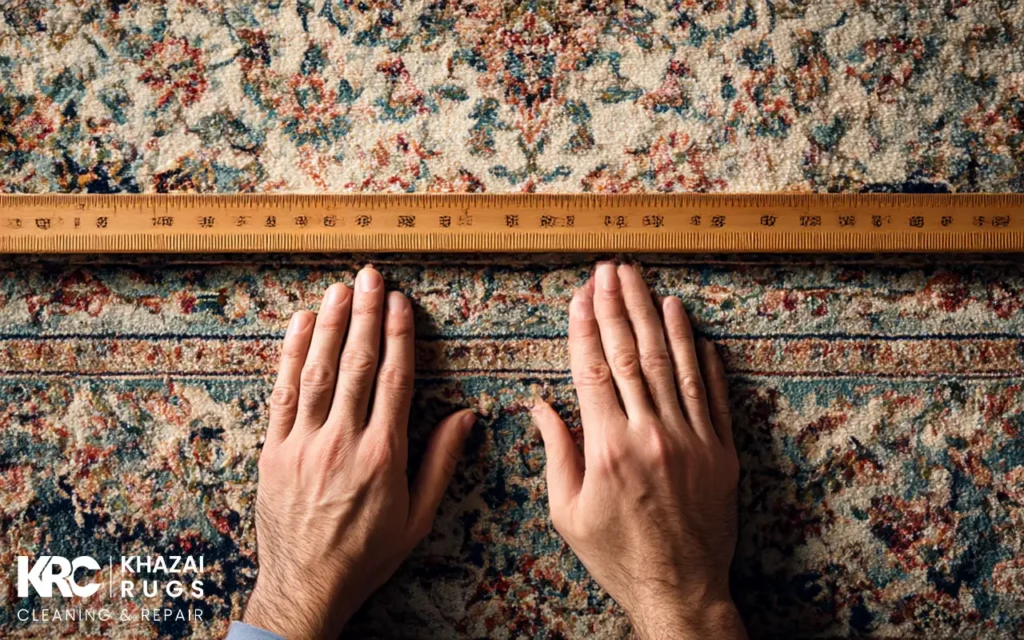
Selling a valuable rug without paperwork is like trying to sell a car without a title. People hesitate. Using an appraisal to sell a rug gives you quiet confidence and a clear story behind your price. You are no longer just another seller guessing. A certified rug appraiser stands behind the report, and buyers can feel that support from the moment you share it.
Turning a simple valuation into real negotiating power
Picture a buyer who comes in with a low offer. Instead of arguing, you calmly point to the appraisal. Using an appraisal to sell a rug shifts your answer from opinion to expert review. The research and comparison are already done, so you can stay relaxed while you talk. That steady posture often helps increase rug resale value.
Using documented proof to justify a higher asking price
Many people feel shy about asking for a high price, even when they have something special. With using an appraisal to sell a rug, that hesitation fades. The report provides written support for setting an ambitious yet fair number. You can point out how age, pattern, materials, and condition were evaluated, rather than just insisting that your rug is “worth it.” That kind of clear backup makes it easier to reach a higher selling price without feeling pushy.
How Should You Prepare Your Rug Before the Appraisal?
Good preparation can change how a rug is viewed. Using an appraisal to sell a rug works best when the piece looks its best and its story is ready. After more than fifty years in this field, we’ve seen that a little care before the appointment can shift the result. Cleaning, small repairs, simple photos, and basic paperwork give the appraiser more to work with and make it easier for them to see the rug the way you do.
Cleaning, repairs, and photos that showcase your rug
A dirty rug always looks tired and is worth less. Before using an appraisal to sell a rug, have it cleaned through a professional Rug Cleaning Service and repaired if needed. Light work on edges or worn spots can protect the grade. Then take clear photos of the front, back, corners, and labels so the appraiser sees every important detail.
Gathering history, receipts, and stories that add value
Paperwork might feel boring, but it adds weight to your story. Old receipts, import documents, and notes from the original purchase help the certified rug appraiser see where your rug fits in the market. When you’re using an appraisal to sell a rug, these details give context and make serious buyers more comfortable paying a higher price.
How Do You Use the Appraisal During Sale Negotiations?
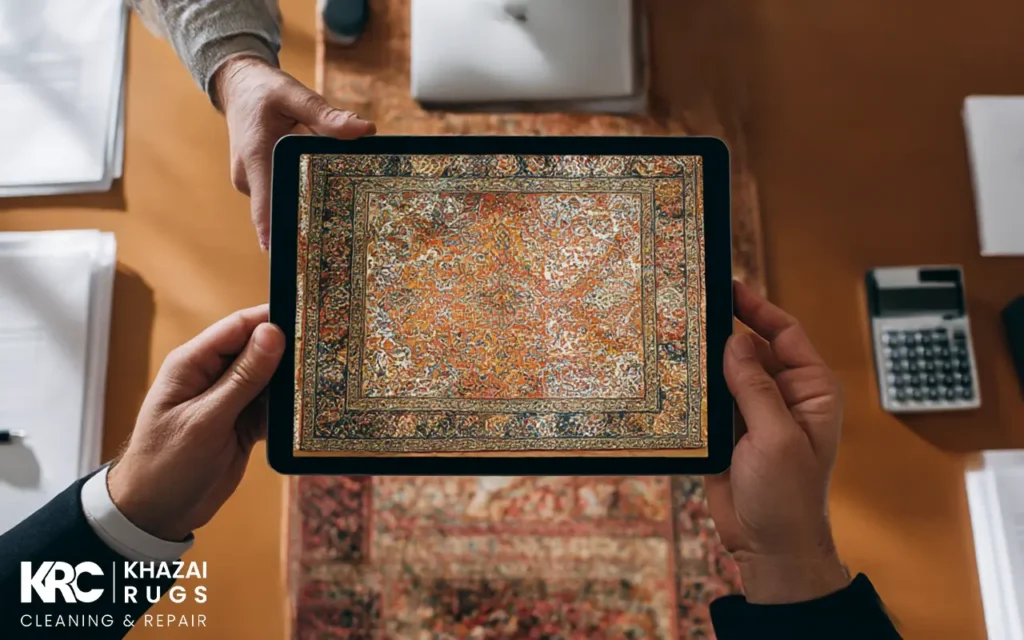
Once the report is in your hands, the real work of selling begins. Using an appraisal to sell a rug means you’re no longer guessing. You walk into negotiations with a range of values backed by experience. We often remind our clients that the appraisal should support, not dominate, the conversation. Bring it out at the right time, explain it simply, and let the information carry most of the weight.
Sharing appraisal details without overwhelming potential buyers
Most buyers don’t want a long lecture. They want to feel safe spending their money. When using an appraisal to sell a rug, you can keep things light. Mention that an experienced rug valuation expert has reviewed the piece and share the value range in plain numbers. Offer to show the full report if they’d like. That open, calm approach keeps the mood relaxed while still grounding the price in expert work.
Using price ranges to stay flexible yet confident
An appraisal usually offers a range, not a single fixed number, and that actually helps. You can set your asking price near the top of the range while being ready to settle closer to the middle. Using an appraisal to sell a rug this way lets you stay firm without feeling rigid. You’re working within a professional framework rather than guessing, and buyers feel better knowing the final price still falls within that appraised range.
FAQ
Do I really need an appraisal before I list my rug for sale?
If your rug is valuable, an appraisal helps you price it fairly, avoid underpricing, and speak with more confidence during negotiations.
How do I show the appraisal to buyers without overwhelming them?
Share the value range in simple terms, mention that an expert evaluated it, and offer the full report only if they ask.
What if buyers offer less than the appraised value?
Treat the appraisal as a guide, not a rule. You can negotiate within the range and walk away if an offer feels too low.


1 thought on “How to Use a Rug Appraisal to Sell Your Rug for More”
A handwritten book is a book