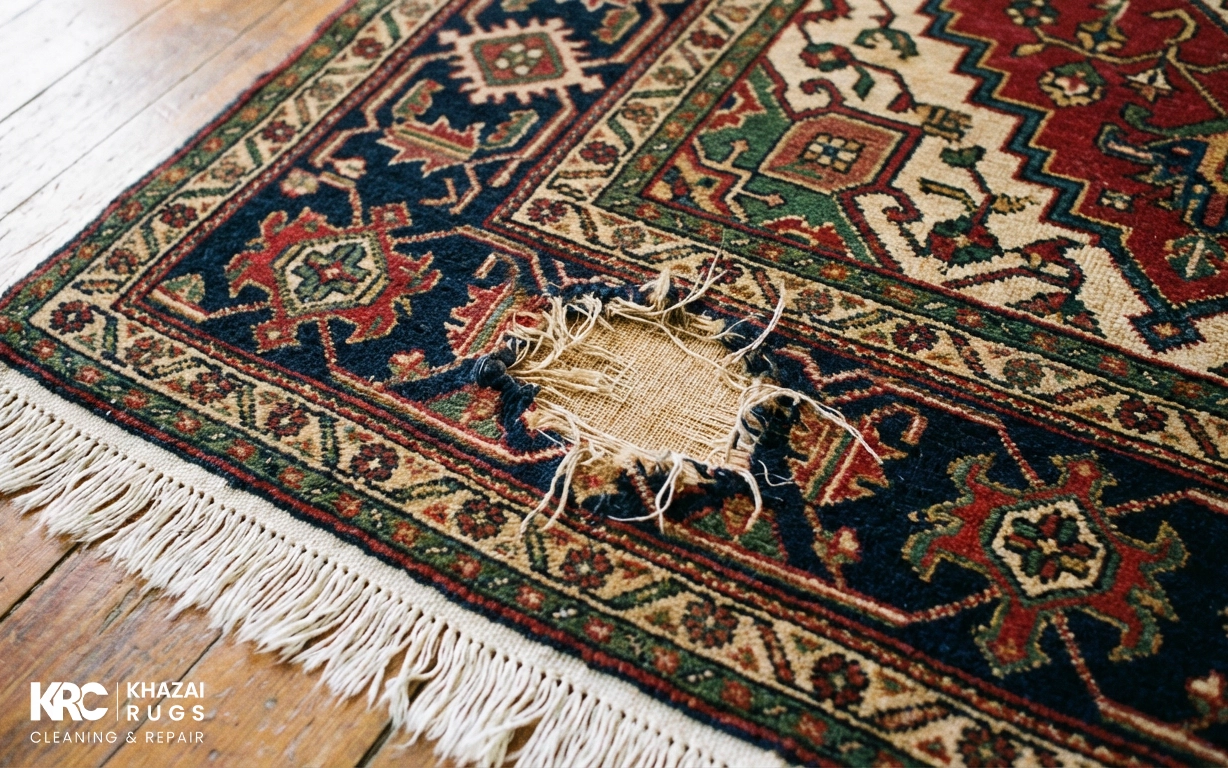
A nice rug is more than something that looks good in a room. It is something that people make with their hands and it can take a long time even months or years. When something bad happens to the rug like it gets damaged the people who own it do not know what to do. If the rug has holes or tears or if some parts are getting thin it might not seem like a big deal at first but after a while it can hurt the whole rug. This is where someone who is good at fixing rugs, a rug reweaver can help fix the rug, which is called professional rug reweaving and it is very important, for the rug.
Unlike surface-level fixes, professional rug reweaving rebuilds the rug from within, preserving both its strength and its beauty. When done correctly, handwoven rug repair can stabilize fragile areas and help restore rug holes and tears without sacrificing value.
What professional rug reweaving actually means
At its core, professional rug reweaving is the art of reconstructing missing or damaged sections of a rug by recreating its original weave. This is not patchwork. It is not glue. It is not stitching a fabric piece over damage. True professional rug reweaving involves rebuilding the foundation threads — the warp and weft, before retying knots by hand to match the original pattern.
In authentic handwoven rug repair, each missing knot is individually recreated. Skilled technicians carefully restore rug holes and tears so that the repaired section blends seamlessly with the surrounding weave.
Reweaving vs patching vs binding
It’s important to understand the difference:
- Patching covers damage with another fabric.
- Binding reinforces edges but does not rebuild structure.
- Professional rug reweaving reconstructs the actual weave.
Only professional rug reweaving truly restores structural integrity. For valuable rugs, especially antique pieces, proper handwoven rug repair is the only way to safely restore rug holes and tears without lowering value.
When professional rug reweaving is the right call
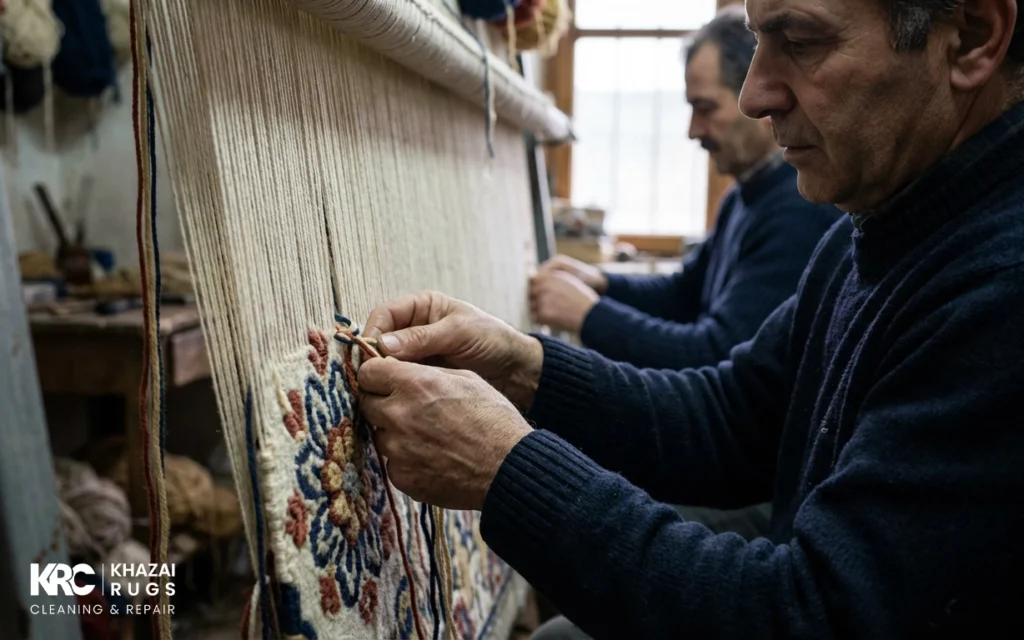
Not every rug issue requires full reweaving. However, certain types of damage clearly call for professional rug reweaving
Holes, burns, pet damage, and moth bites
Moth damage and pet chewing often create weakened or missing fibers. Over time, these areas grow larger. Attempting temporary fixes rarely works. Proper professional rug reweaving addresses the foundation first, then rebuilds the surface.
In cases of visible holes or burn marks, expert handwoven rug repair can carefully restore rug holes and tears while matching the original weave density and color.
Fraying edges and thinning areas
Edges unravel when warp threads weaken. Thinning areas indicate structural fatigue. Professional rug reweaving prevents further unraveling by reinforcing these vulnerable sections. Early handwoven rug repair allows experts to restore rug holes and tears before the damage spreads.
How handwoven rug repair is done the right way
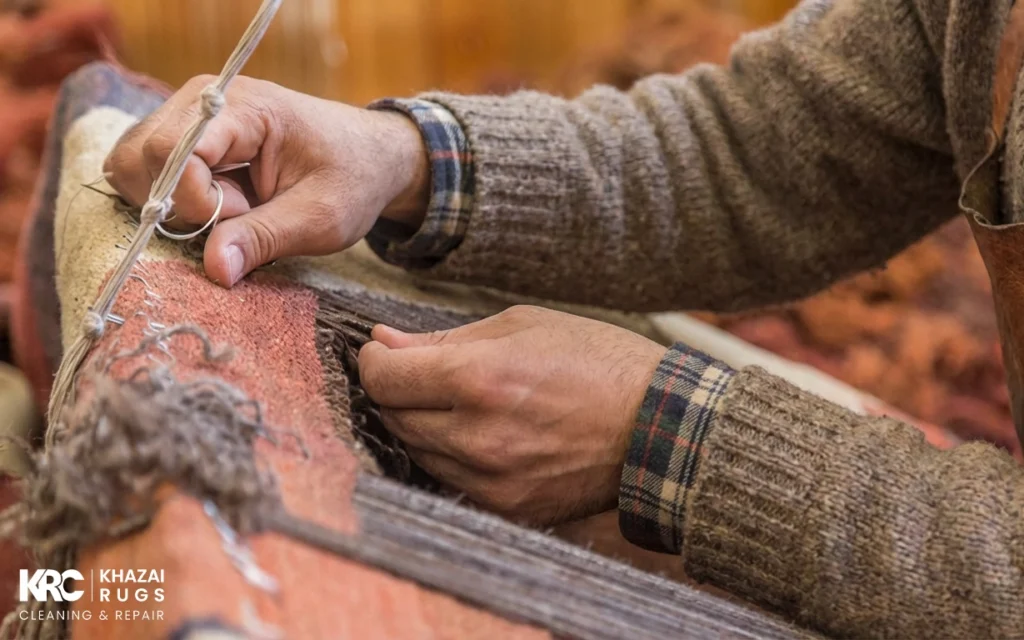
Quality professional rug reweaving requires patience and precision. The process is meticulous.
First, damaged fibers are carefully removed without disturbing surrounding knots. Then new foundation threads are inserted. Finally, the technician hand-ties new knots to match the rug’s original structure.
True handwoven rug repair is slow and intentional. The goal is not just to fix the visible damage but to strengthen the rug so it lasts for decades more.
Matching wool, silk, and dyes
The success of professional rug reweaving depends heavily on matching materials. Wool must match wool. Silk must match silk. Dyes must replicate original tones.
In advanced handwoven rug repair, experts source fibers that align with age and origin. When technicians carefully restore rug holes and tears, they also match texture and pile height. Without proper matching, repairs become visible.
How to restore rug holes and tears without losing value
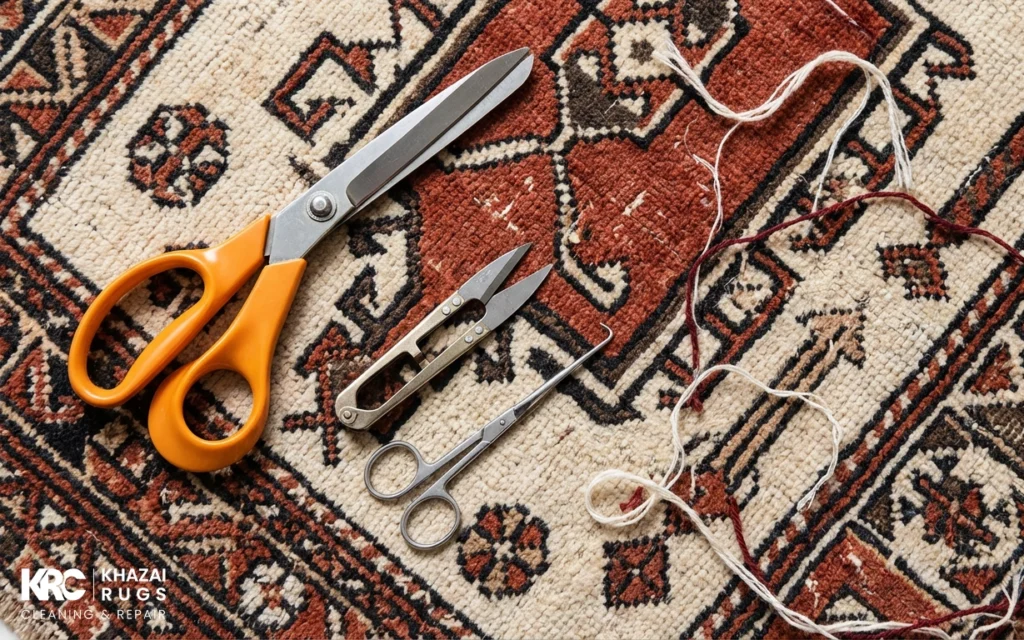
Many rug owners worry that repairs reduce value. In reality, poorly executed repairs reduce value. Professional work protects it.
When specialists restore rug holes and tears using authentic professional rug reweaving, they preserve historical integrity. In many cases, quality handwoven rug repair actually prevents further depreciation.
Why DIY fixes can backfire
DIY attempts often use glue, synthetic thread, or fabric patches. These methods trap dirt, stiffen fibers, and create uneven tension. Later, when professionals attempt professional rug reweaving, correcting these DIY fixes becomes more complicated.
If your goal is to properly restore rug holes and tears, avoid shortcuts. True handwoven rug repair requires skill and traditional techniques.
What “invisible repair” really depends on
Invisible results depend on:
- Accurate foundation reconstruction
- Proper knot density
- Fiber and dye matching
- Skilled hand-knotting
When done correctly, professional rug reweaving blends seamlessly. However, invisibility is earned through precision. High-quality handwoven rug repair ensures that when experts restore rug holes and tears, the rug’s design flows naturally.
Cost, timeline, and what affects the final result
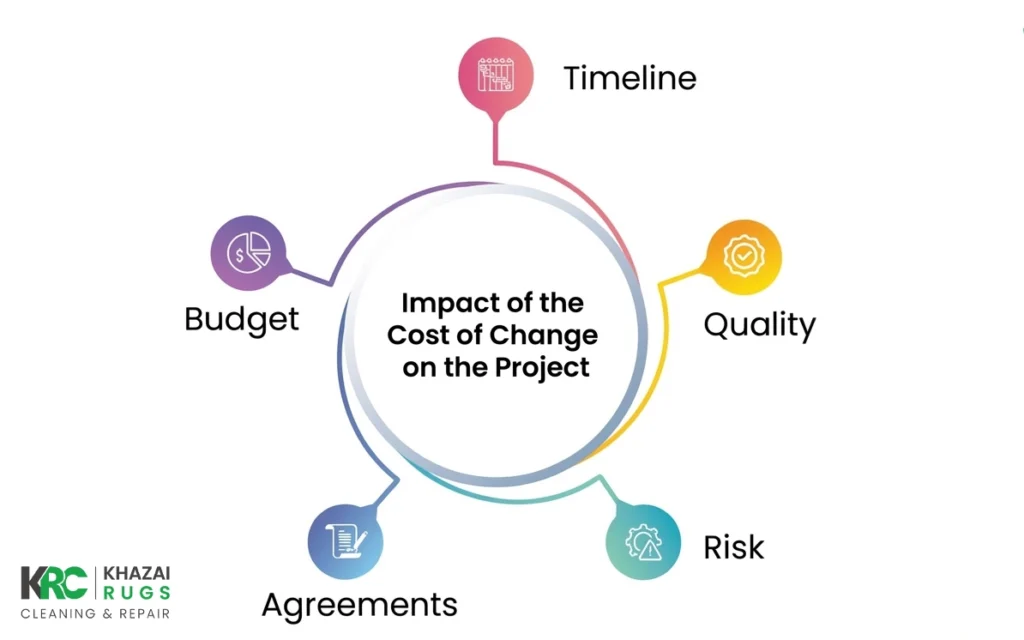
The cost of professional rug reweaving varies depending on the damage and complexity. Small areas of handwoven rug repair take less time, while larger structural rebuilds require more labor.
What impacts pricing and turnaround
Several factors influence the cost and timeline:
- Size of the damaged area
- Rug material (wool vs silk)
- Pattern complexity
- Age and density of the rug
- Extent needed to fully restore rug holes and tears
Detailed geometric designs take longer to replicate. Silk rugs require finer knot work. Larger holes demand deeper structural rebuilding. Every professional rug reweaving project is unique.
While timelines vary, proper handwoven rug repair is never rushed. The goal is long-term stability. When experts restore rug holes and tears, they focus on craftsmanship rather than speed.
Final Thoughts
A damaged rug does not mean a lost investment. With skilled professional rug reweaving, even significant damage can be reversed. The key is choosing experienced specialists who understand true handwoven rug repair techniques.
Whether your rug has thinning edges, moth holes, pet damage, or structural tears, the right approach can safely restore rug holes and tears while preserving both beauty and value.
Professional work protects the story woven into your rug — and ensures it continues for generations.